
Duel now lets players bet against each other. Duel Arena has 12 skill and party games in beta, among them 8 Ball, Poker, Tetris and Wordle. Rock Paper Scissors runs as a separate best-of series with a commit and reveal fairness check. We played the demos, read the rules for every game and checked the payout and timer settings the site sends to every visitor.
This guide covers how each game works, how a match is won, what happens on a tie, how Rock Paper Scissors can be verified and where the rules contradict each other. It also covers three Arena games built on real people’s faces, and the PvP modes Duel has built but not switched on.
- What it is: player versus player games on duel.com. You stake against another player. The house does not play.
- Live on 24 October 2026: Duel Arena (12 games, marked BETA) and Rock Paper Scissors (under Originals).
- Built but switched off: Coinflip, Roulette Battles, Case Battles and a PvP sports exchange.
- House cut: none published. On every open Rock Paper Scissors game we read, the prize was exactly twice the stake.
- Fairness: Rock Paper Scissors can be verified on Duel’s provably fair page. Arena games have no verifier.
- Stake limits: not published for either product.
- Operator: Immortal Snail LLC, Nevis, licensed in Anjouan under ALSI-202411026-FI1.
Alex Jovanovic: “Rock Paper Scissors is the most open PvP game on Duel. The timers are public, the prize is double the stake and you can check every round. Arena has good skill games with honest tie rules, and three of the twelve should never have shipped.”
How PvP casino games differ from house games
In a slot or an Original like Duel Dice, you play against the casino. The game has a house edge, and the return to player (RTP) tells you how much of the money staked comes back over time. Duel’s Originals carry a 100% RTP badge, and our Originals guide compares them with other houses.
In a PvP game the money comes from the other player. Two players put up a stake, and the winner takes the prize pool. The casino makes money only if it keeps part of the pool as a fee, often called rake. Your odds depend on how good you are compared to the other person, and RTP stops being a useful number.
That changes the risks. A slot cannot collude with another player. A PvP opponent can. A random number generator does not get faster with practice. A Tetris or Type Racer regular does. The questions that matter are about the rules, the fee, what happens on a disconnect and who settles a dispute.
Rock Paper Scissors on Duel
Rock Paper Scissors sits in the Originals row with the same “100% RTP” tag as Duel’s house games. It has its own page at duel.com/rock-paper-scissors. Duel promised it on its founder page as a “Provably fair Rock-Paper-Scissors game against other players”.
How a game works
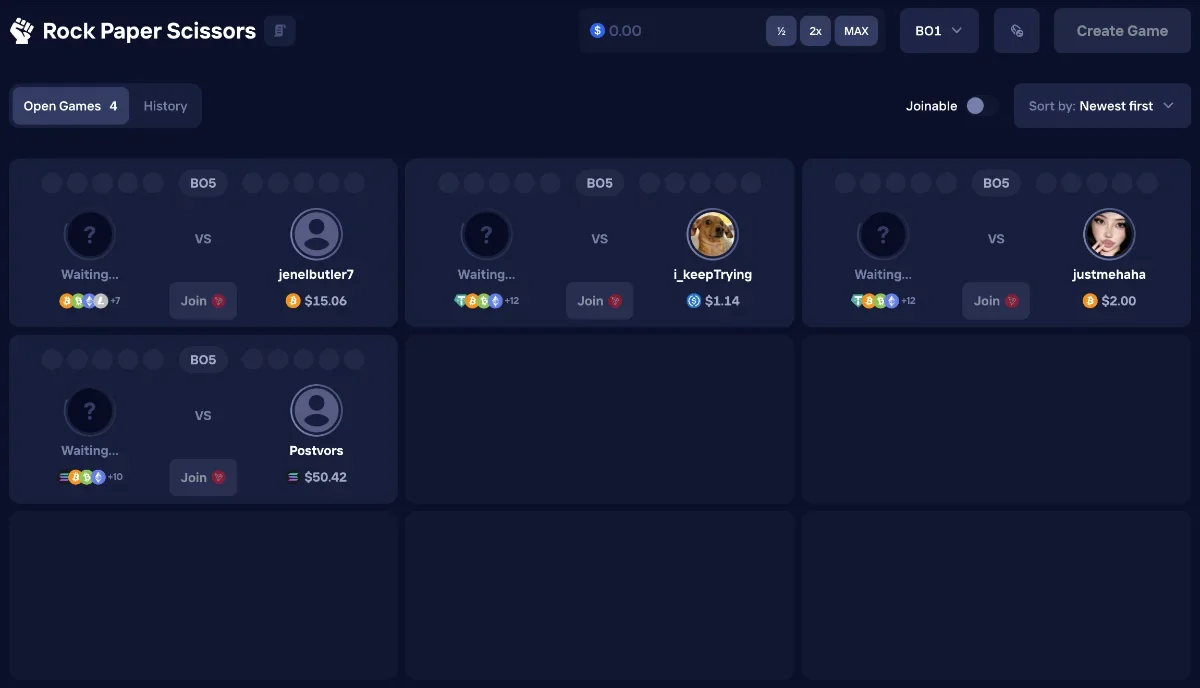
- The creator sets a stake with the ½, 2x and MAX buttons, picks a series length (BO1 by default) and ticks the currencies they will accept. Then they press Create Game.
- A challenger joins from Open Games. The Joinable switch hides games you cannot join, and the list can be sorted by newest or by stake.
- Both players press ready within 10 seconds.
- Each round you have 10 seconds to pick rock, paper or scissors. The choice is locked in before the other player sees it, then both picks are revealed for 3 seconds.
- The first player to win the majority of rounds wins the series and the pool. Either player can offer a rematch, and the other has 10 seconds to accept.
The settings Duel sends to every visitor
Duel does not print these numbers on the page. The site loads them as public settings, and we read them on 24 October 2026.
| Setting | Value |
|---|---|
| Time to pick each round | 10 seconds |
| Reveal of both picks | 3 seconds |
| Ready check before the first round | 10 seconds |
| Time bank per player | 30 seconds |
| Rematch offer | 10 seconds |
| Longest series | 30 rounds |
| Games you can run at once | 1 |
| Idle game cancelled after | 180 seconds |
All four open games on our check were best of five, at stakes of $1.14 to $50.42. Duel publishes no minimum or maximum stake.
Payout, currencies and penalties
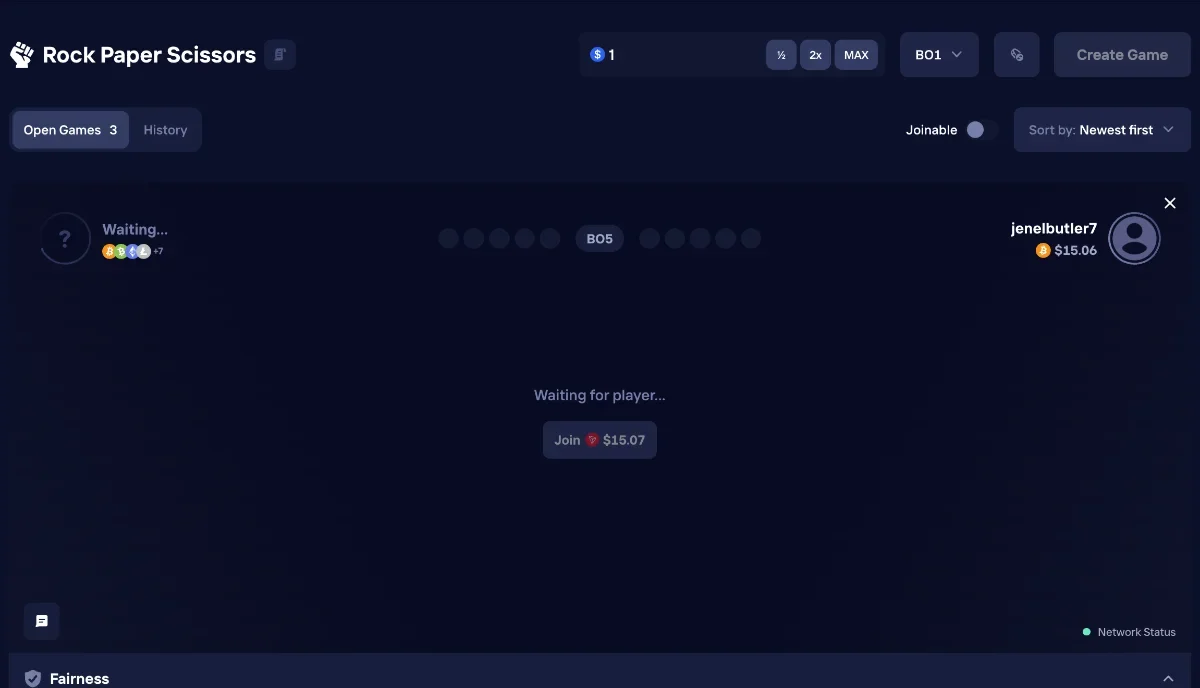
Payout. Each open game lists the amount the winner receives. On all four games it was exactly twice the stake. We found no rake line in the game, the terms or Duel’s economics changelog. That is a reading of the live settings. Duel has not published a no-fee promise, so it could change without notice.
Currencies. When you create a game you choose which currencies you are “willing to receive if you win”. The winner is paid in the loser’s currency. If you only want to be paid in USDT, untick everything else before you create the game.
Penalties. The game rules say: “After you click ready, you will have [10] seconds to make your pick. If you close your tab or disconnect before the end of the round, you may automatically lose.” A player who does not ready up or misses a pick is penalized. An extra timeout fee is taken from them and “awarded to your opponent”. Duel does not say how large the fee is. The 30-second time bank covers short delays.
Your history is public. Each open game shows the creator’s lifetime count of rocks, papers and scissors. One creator we saw had thrown 1,837 rocks, 1,857 papers and 1,916 scissors in 5,610 rounds. Anyone can see this before joining your game, so a long habit of one pick can be read and used against you.
How to verify a round
Rock Paper Scissors uses commit and reveal. Before a round your browser creates a random 32-byte client key. When you pick, Duel stores a hash of your choice joined to that key. The hash is SHA-256 of “choice|clientKey”. Neither player can see the other’s pick from the hash. When the round ends, both keys are revealed and anyone can check that the picks match the hashes.
- Open the Fairness panel of a finished game and copy both client keys and both commit hashes.
- Go to Provably Fair, then Verify, and pick Rock Paper Scissors in the Game list.
- Paste the creator’s and challenger’s key and hash. The page recomputes each hash for rock, paper and scissors, shows the matching pick and prints CREATOR WINS, CHALLENGER WINS or TIE.
The check proves that nobody changed a pick after the reveal. It cannot tell you if the other player was a bot or a friend of yours playing the second account. Our provably fair guide explains commit and reveal in more detail.
Duel Arena: the lobby and the rules
Arena has its own tab in the Duel header. The lobby shows 12 tiles, each labelled “PvP game”, and a BETA badge. Duel’s tooltip says “Duel Arena is in early beta, improvements to the game are coming at a rapid rate.” The right column is a friends list with requests and invites.
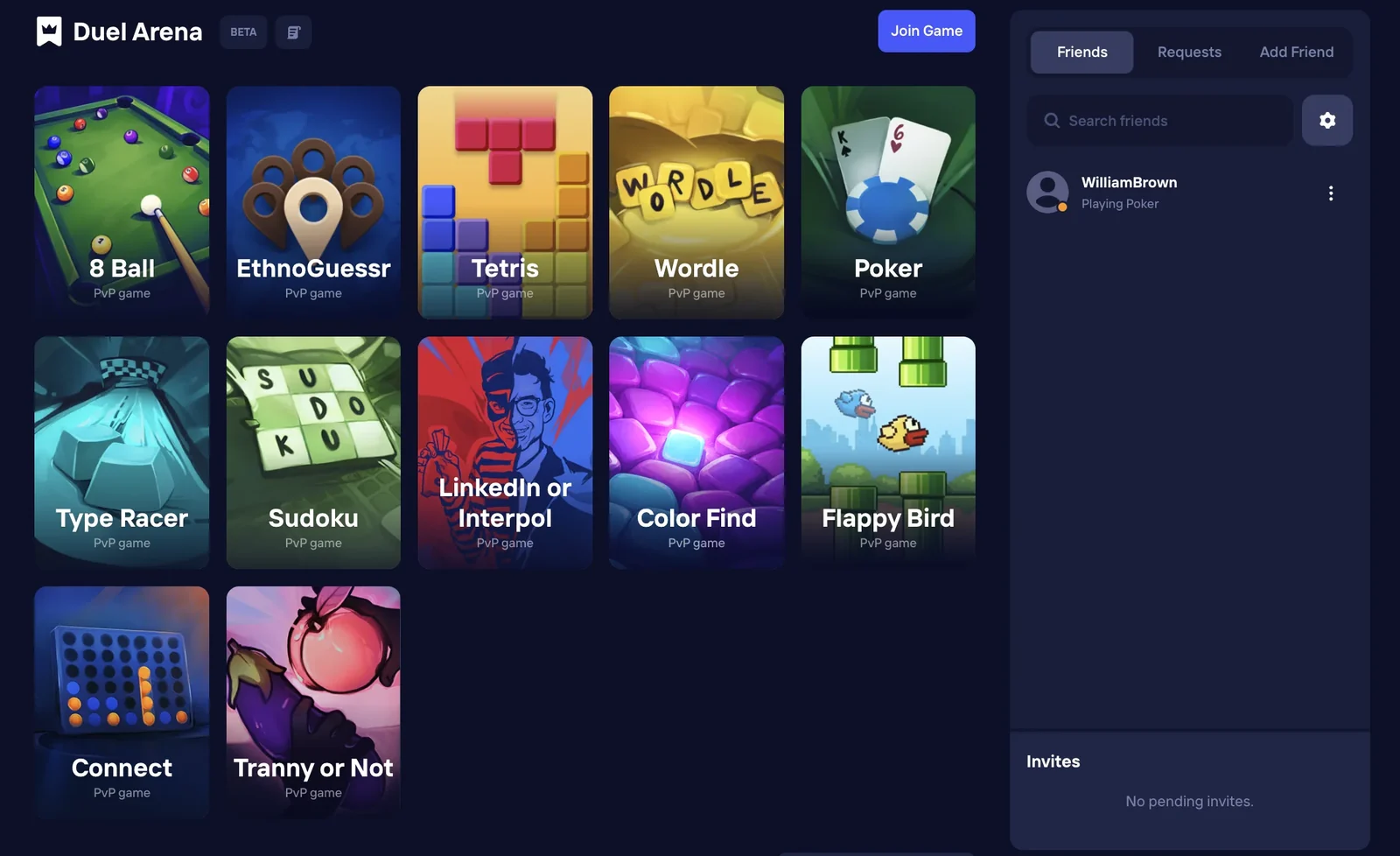
The rules dialog has two lines: “1. Each game is a 1v1 match: you play directly against another player. 2. Wager amounts are agreed before the game starts.”
Every game opens the same lobby panel. You are listed as Creator next to an empty seat. You can show a join code, share a link, invite a friend or flip the Private Lobby switch. Private lobbies do not appear in Ongoing Matches. Anyone with a code can enter it in the Join Game box at the top of the site. Every game except Poker also has a Play Demo or Practice button for rounds without a stake.
Ongoing Matches lists live games with both players and the pot, and any visitor can spectate. On our checks most pots were $0. The largest we saw was $101 on a Wordle match on 7 October. Accounts with betting restricted can still play demos, spectate and chat, but cannot create or join a staked lobby.
The 12 Arena games, one by one
Rules below come from each game’s How to play and Rules panels. The screenshots are from demo, practice and zero-stake rounds on 24 October 2026, so no money is in play.
 8 BallDemo
 PokerNo demo
 TetrisDemo
 WordleDemo
 Type RacerPractice
 SudokuDemo
 Color FindPractice
 Flappy BirdDemo
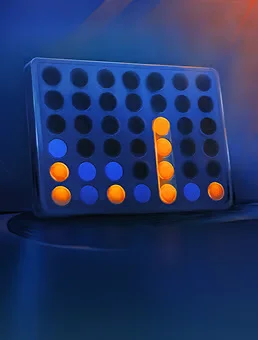 ConnectPractice
 EthnoGuessrDemo
 LinkedIn or InterpolPractice
 The twelfth gamePractice
8 Ball
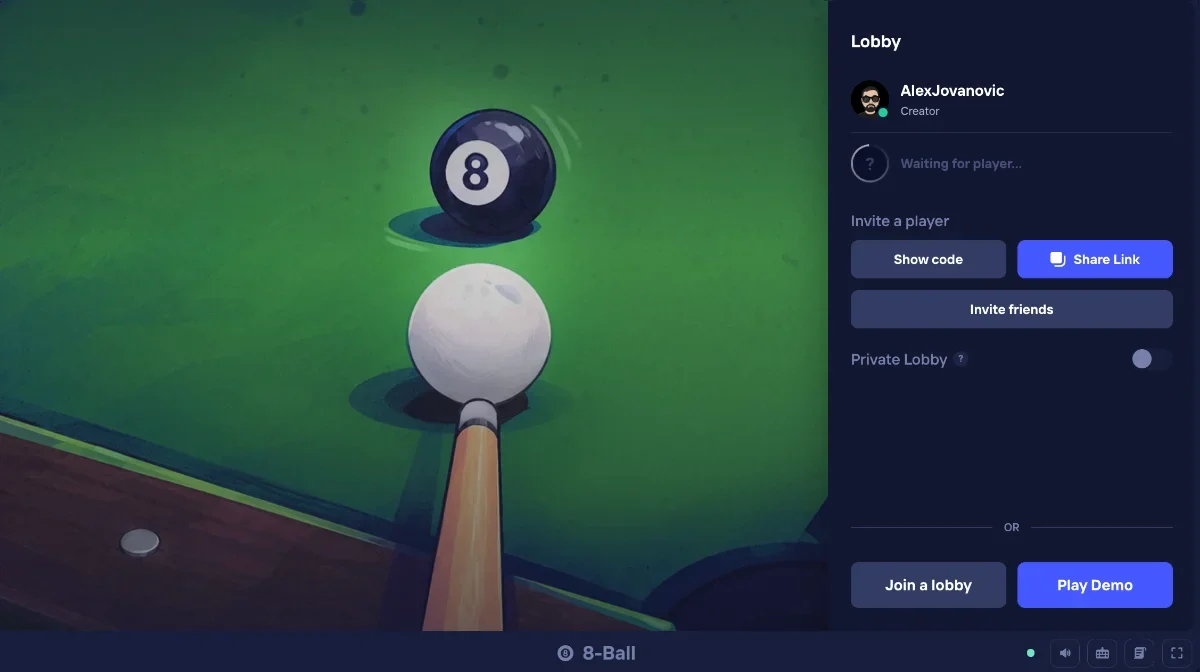
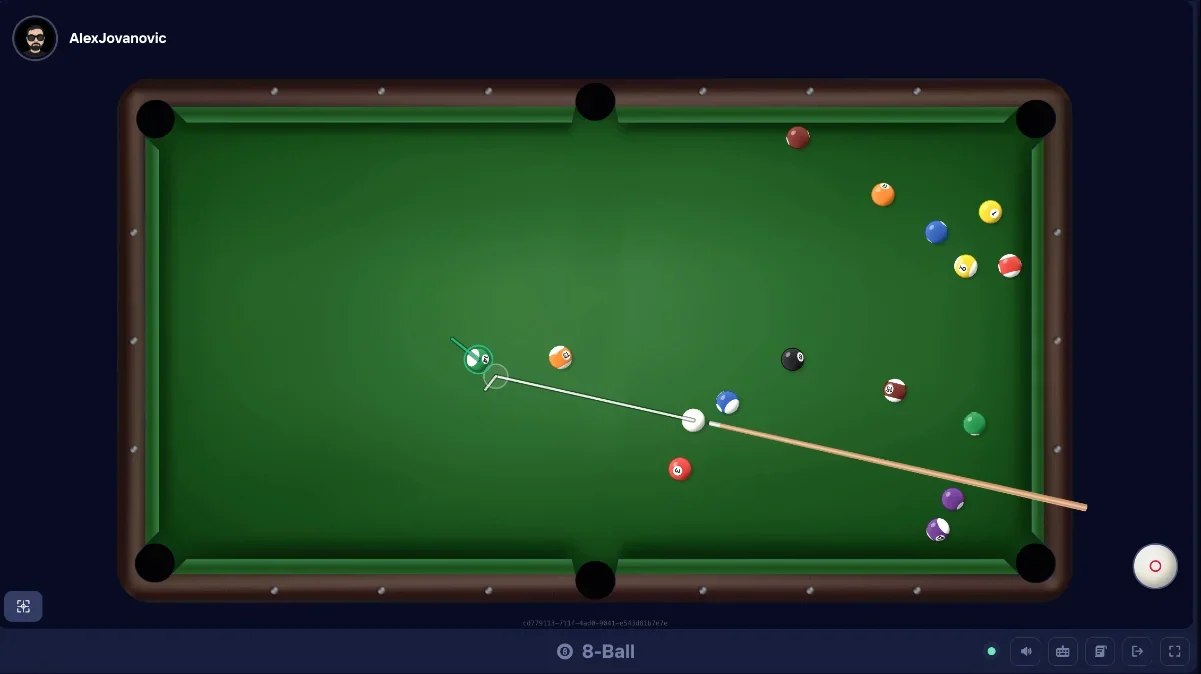
Standard 8-ball with an open break. Your group is set by the first ball legally potted after the break, and potting on the break keeps your turn. You must hit your own group first. A scratch is a foul, and any foul gives the other player ball in hand anywhere on the table. If your shot clock runs out, the turn passes with ball in hand. Line Assist shows the shot path, and you can add spin.
Win: legally pot the 8 after clearing your group. You lose at once if you pot the 8 early, scratch on the 8, or pot the 8 together with your last group ball.
Poker
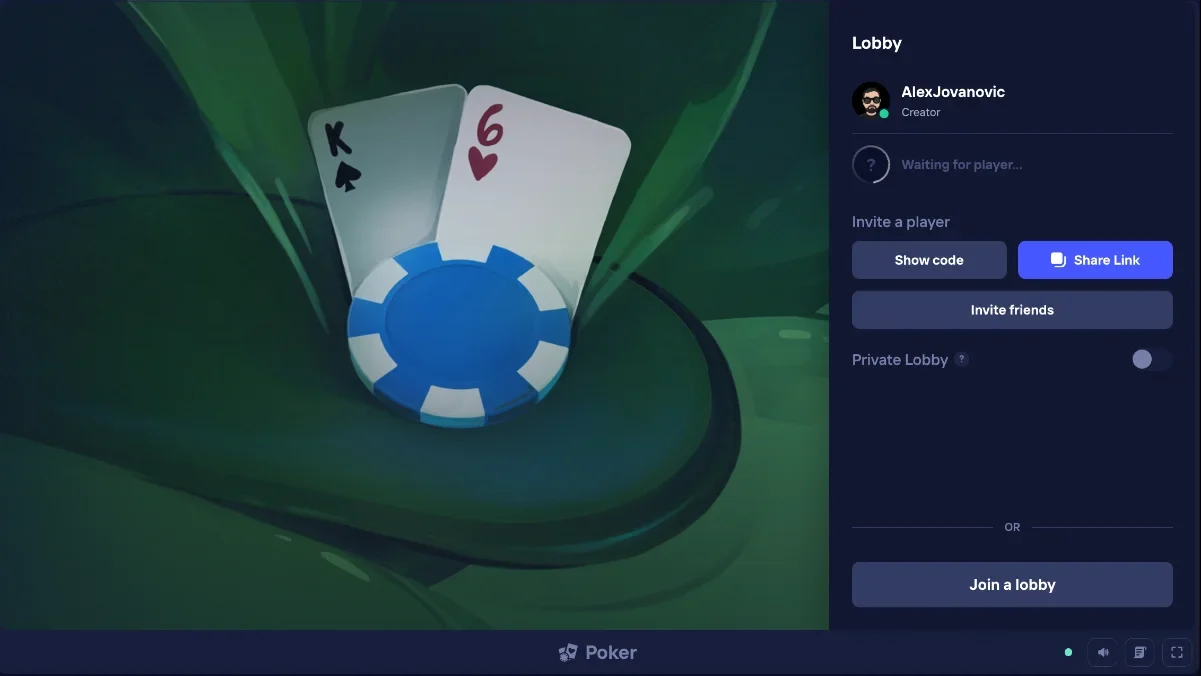
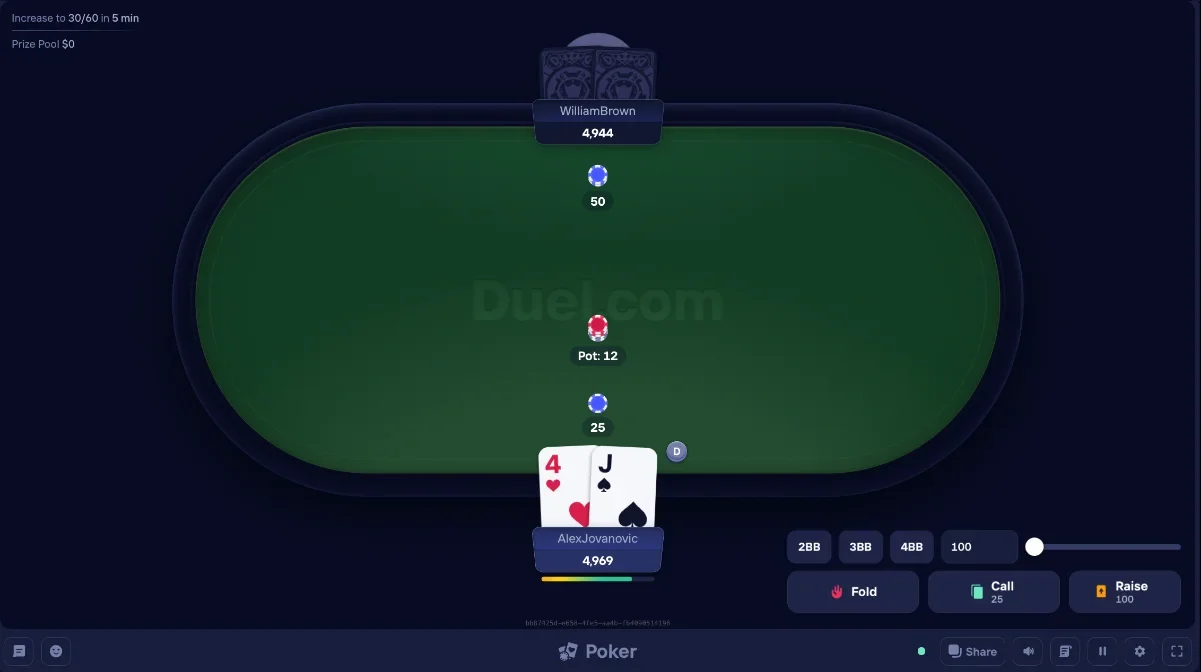
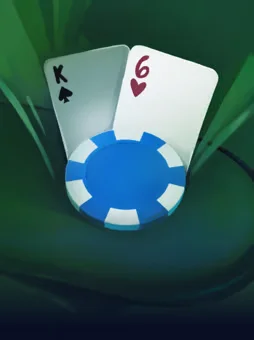
Sit and Go poker in No Limit Hold’em, Pot Limit Omaha, PLO5 and PLO6. A table seats 2 to 9 players, and everyone starts with 100 big blinds. Blinds rise every 5 minutes on Standard, 3 on Turbo and 2 on Hyper, or the host sets a custom speed. Antes are paid every hand. Each player has a 30-second time bank per match. When it runs out, the game checks or folds for you. A disconnected player is folded and blinded down. The code also holds a multi-table Sit and Go for up to 180 players, which we did not see in the lobby.
Payouts: up to 3 players, winner takes all. 4 players pay 70/30. 5 or 6 players pay 60/40. 7 to 9 players pay 50/30/20. An exact tie at showdown splits the pot. Duel says the deck is shuffled with a cryptographically secure random number generator, but there is no verifier for poker hands.
Tetris
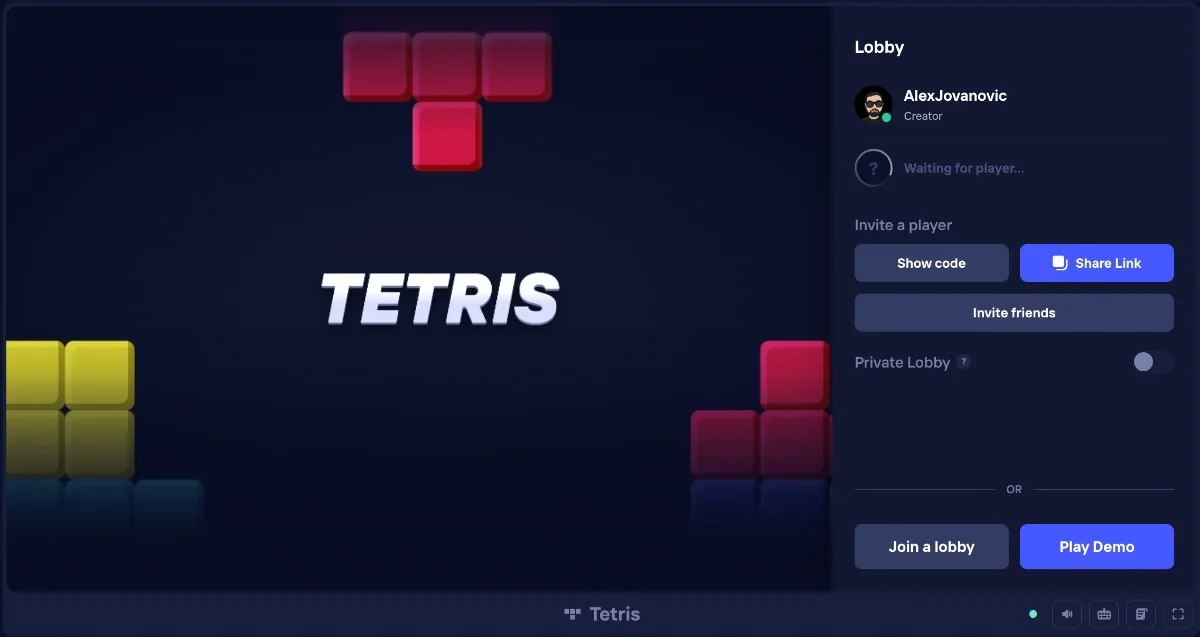
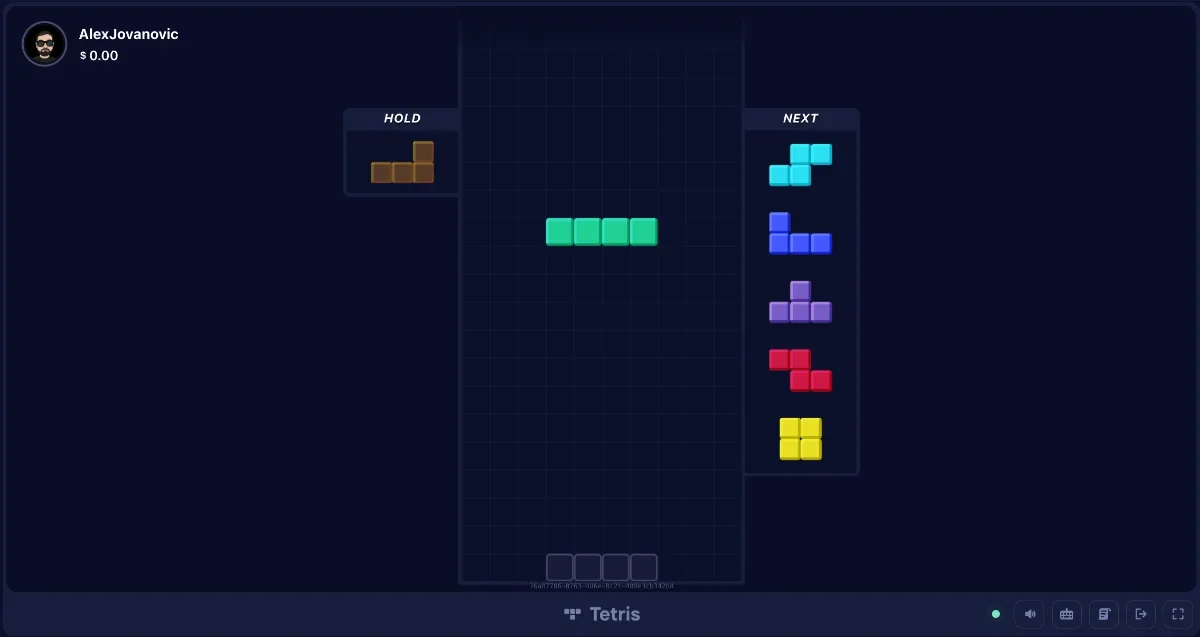
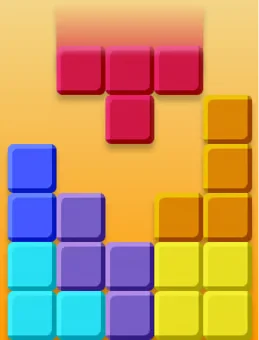
Head-to-head Tetris. Clearing lines sends garbage rows to the other player: 2 lines send 1 row, 3 lines send 2 and a Tetris sends 4. Combos, back-to-back clears, T-spins and all-clears hit harder, and damage grows the longer the match runs. You get hold, hard drop and a 180 rotation. Win: the player who tops out loses.
Wordle
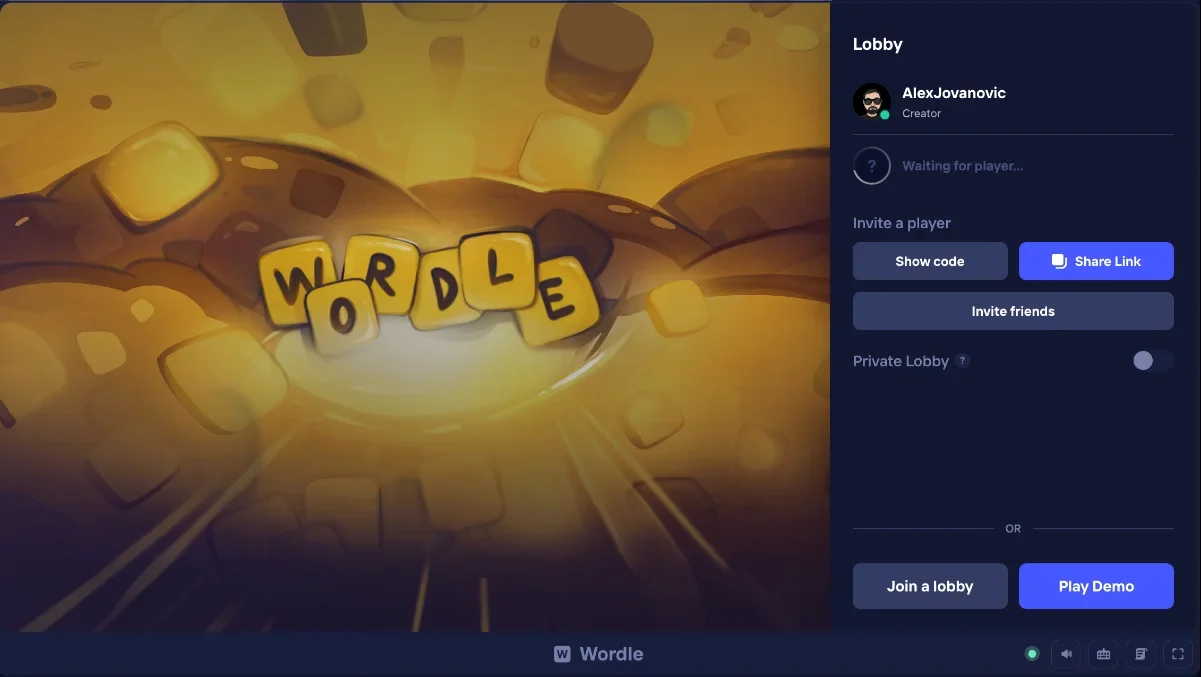
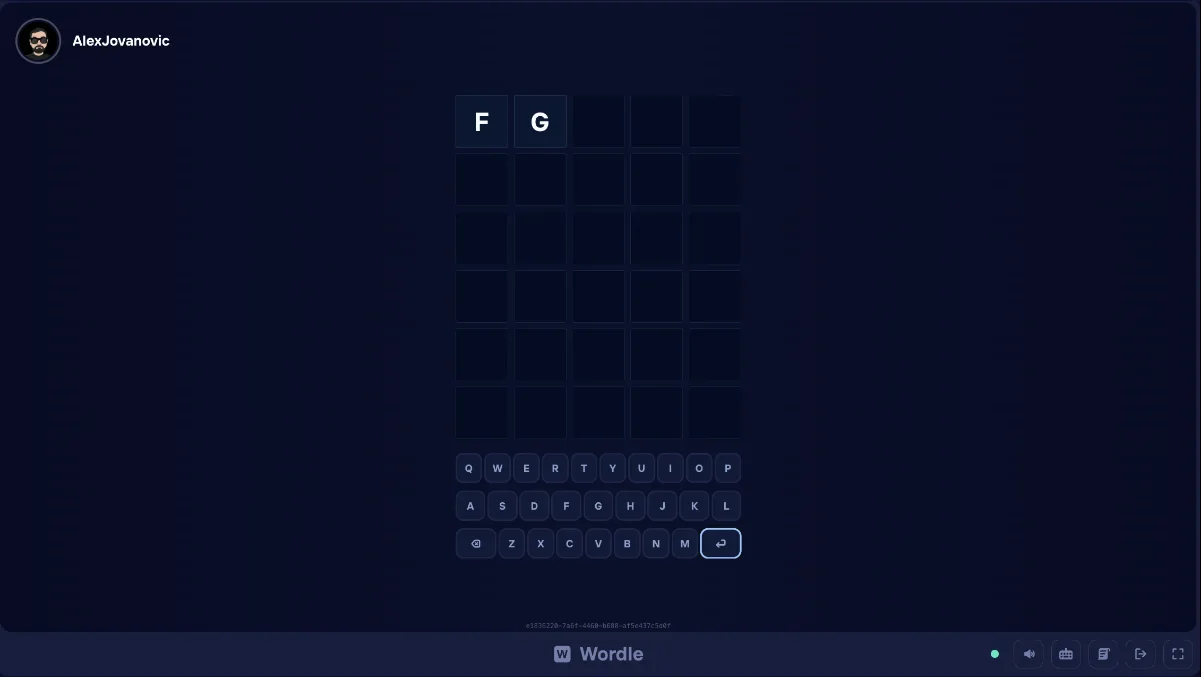
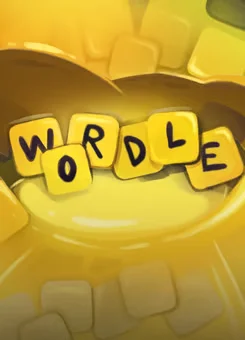
Both players race to solve the same hidden word, with green, yellow and grey feedback. The lobby picks Easy, Normal or Special mode and the word length. Win: solve it in fewer guesses. If both solve in the same number, the tie-break is most greens, then most yellows, then fewest rows. If all of that is equal, the round is a tie.
Type Racer
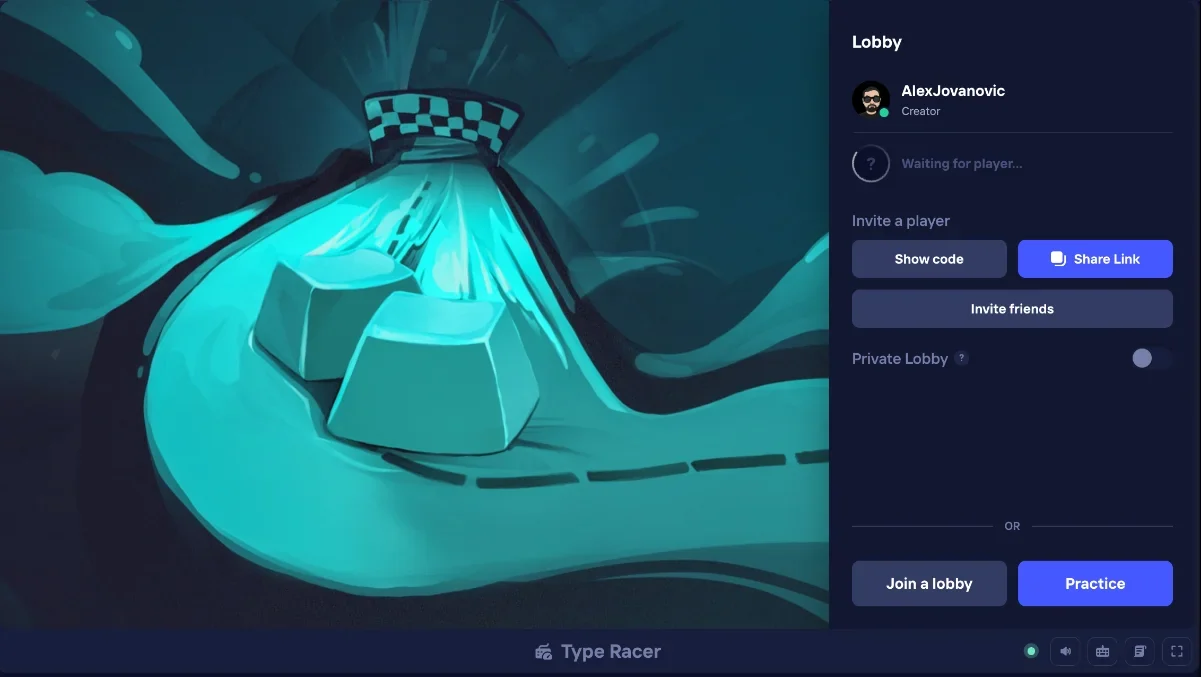
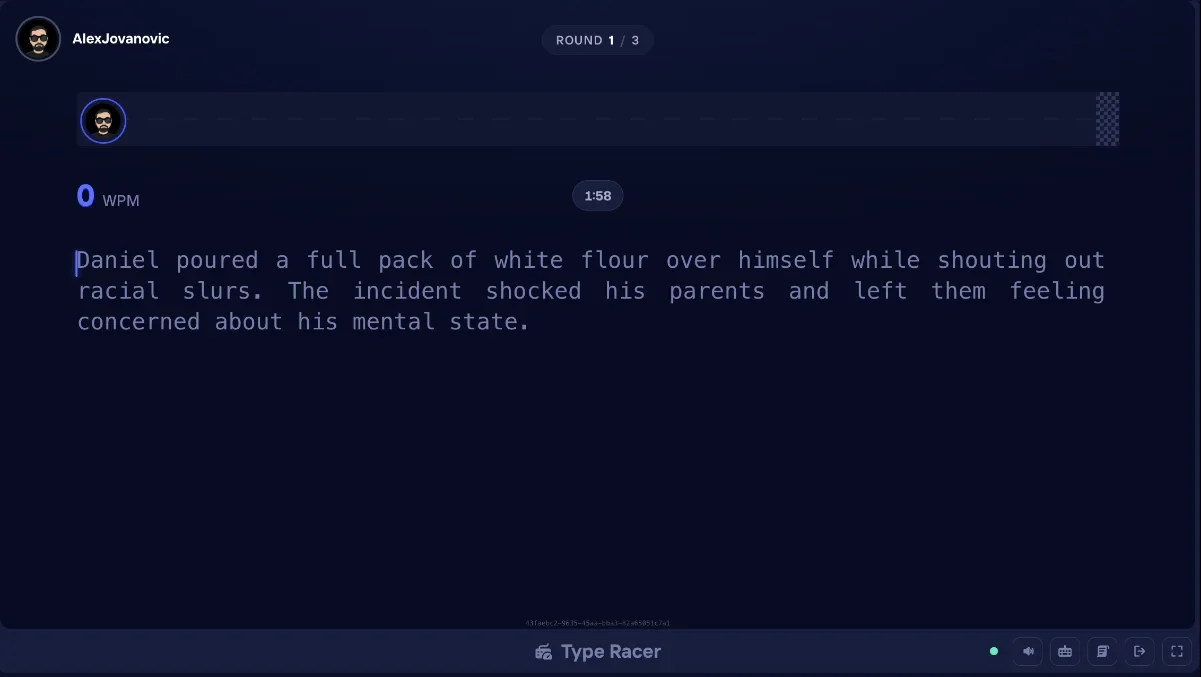
Both players type the same passage. The text shows a few seconds before typing unlocks. A wrong key blocks progress until you fix it. Speed is counted in words per minute at 5 characters a word, and “Superhuman speeds don’t register.” Win: best of 1, 3 or 5 rounds. A round ends when the first racer finishes, or after 2 minutes the player furthest ahead wins it. If round wins are equal, the match is a draw and both stakes are refunded.
The passage in our practice round read: “Daniel poured a full pack of white flour over himself while shouting out racial slurs. The incident shocked his parents and left them feeling concerned about his mental state.”
Sudoku
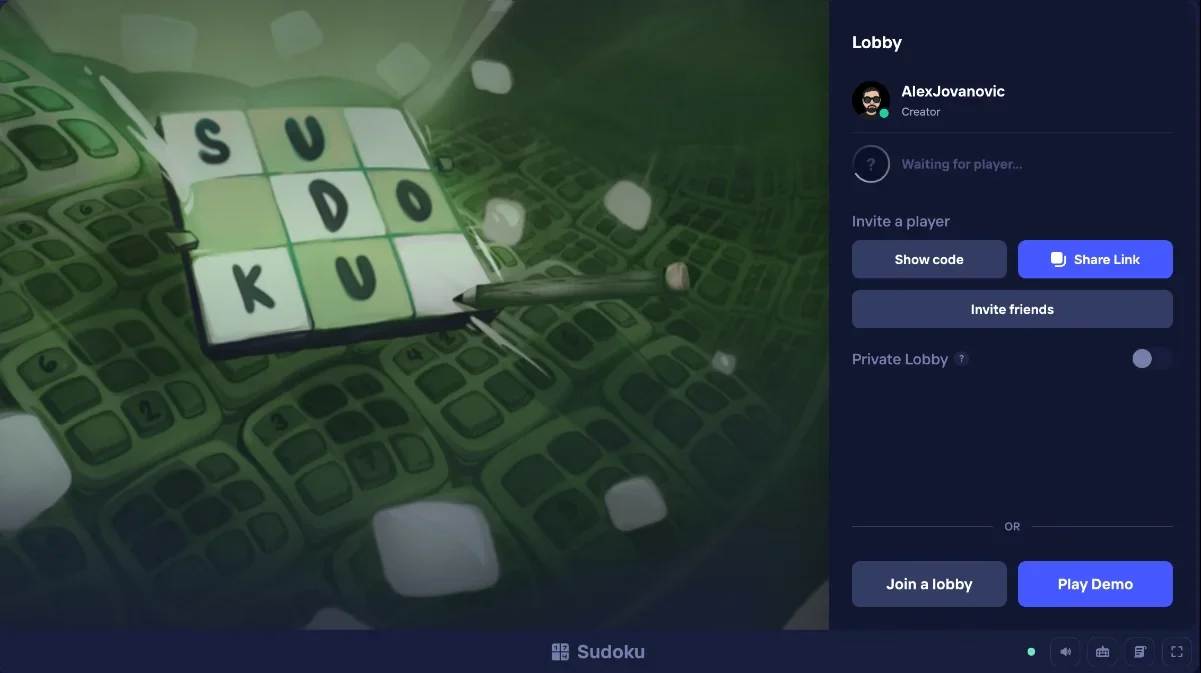
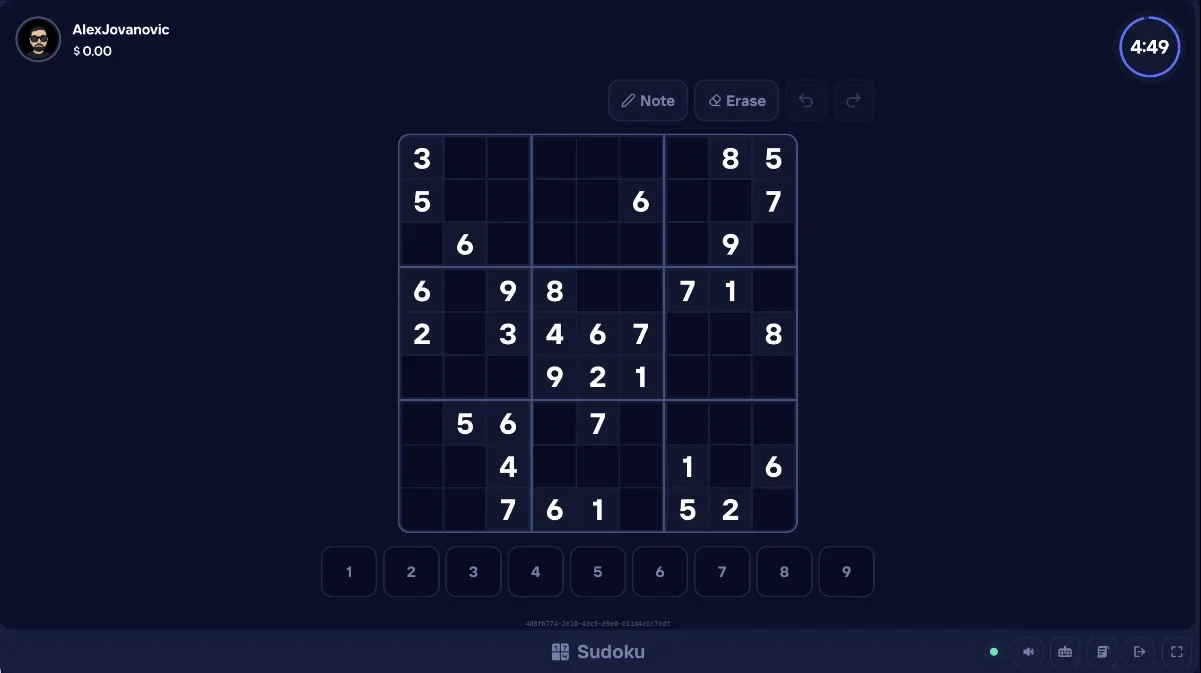
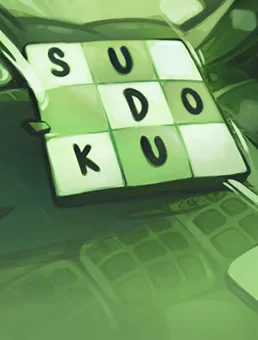
Both players get the same puzzle and a shared clock. You see how far the other player has got, but never their digits. Notes, undo and redo are built in, and the lobby sets the difficulty and the time. Win: the first correct full grid.
Color Find
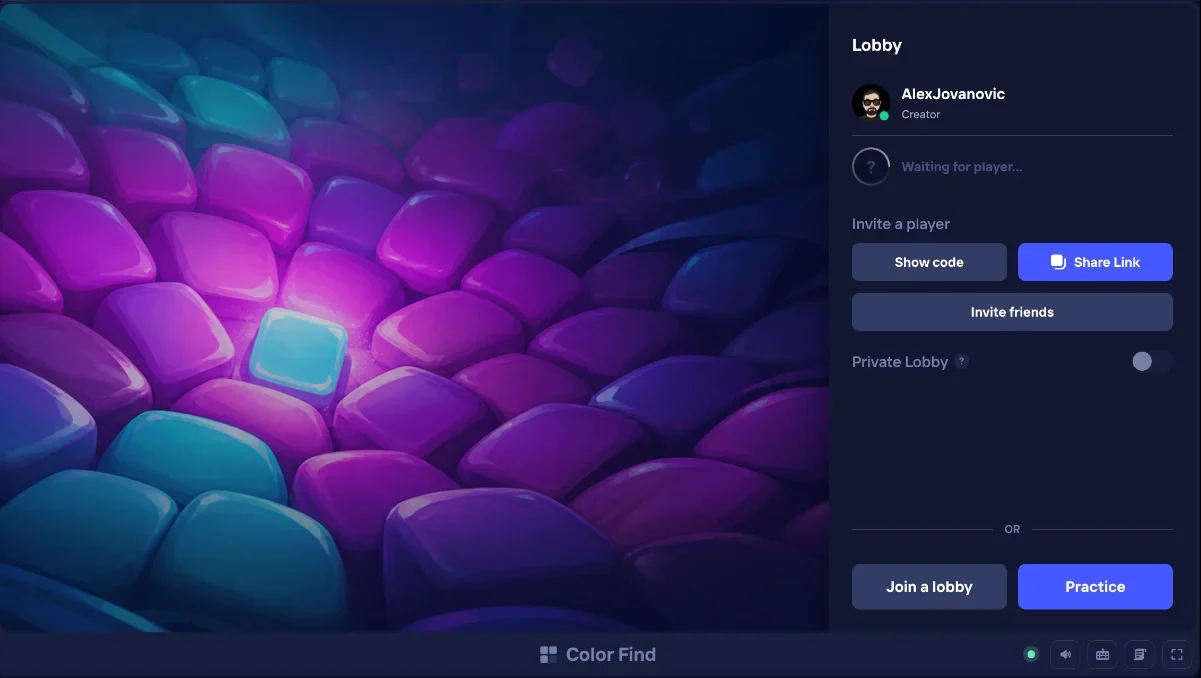
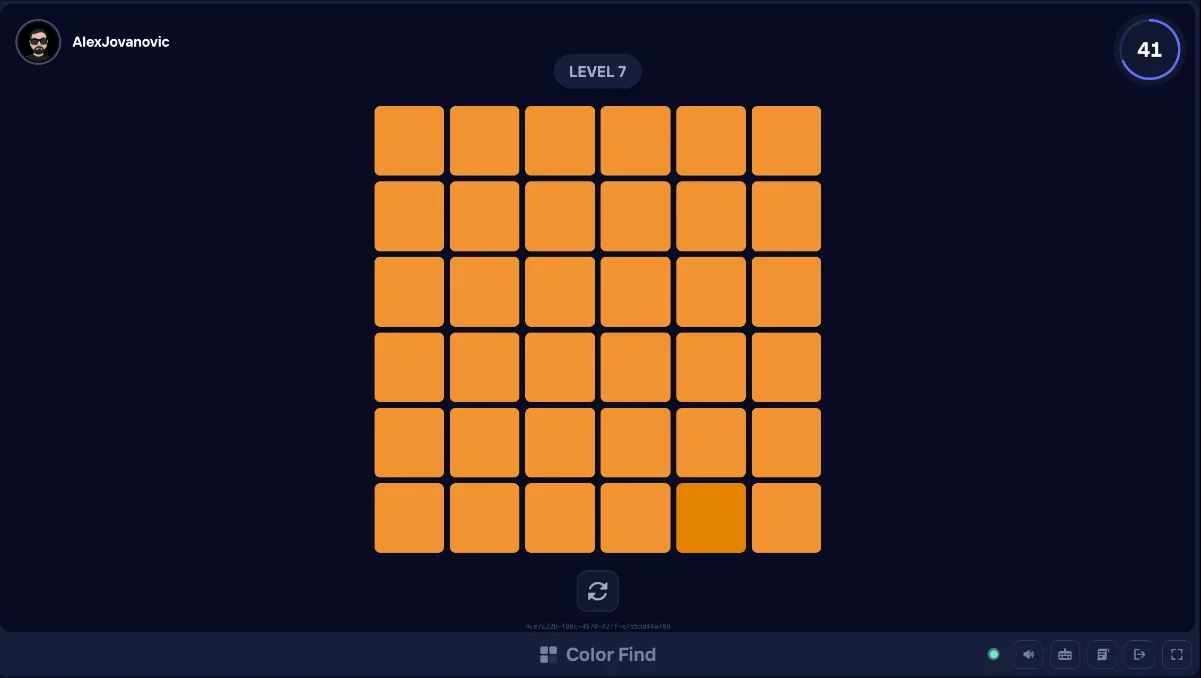
Find the tile with a different colour. The board grows from 2×2 to 6×6 and the colours get closer each level. A miss drops you one level, and the shuffle button is free. Win: the highest level when the clock ends, 1 minute by default or 2 or 3 if the lobby picks it. On the same level, the match is a tie and both players are refunded.
Flappy Bird
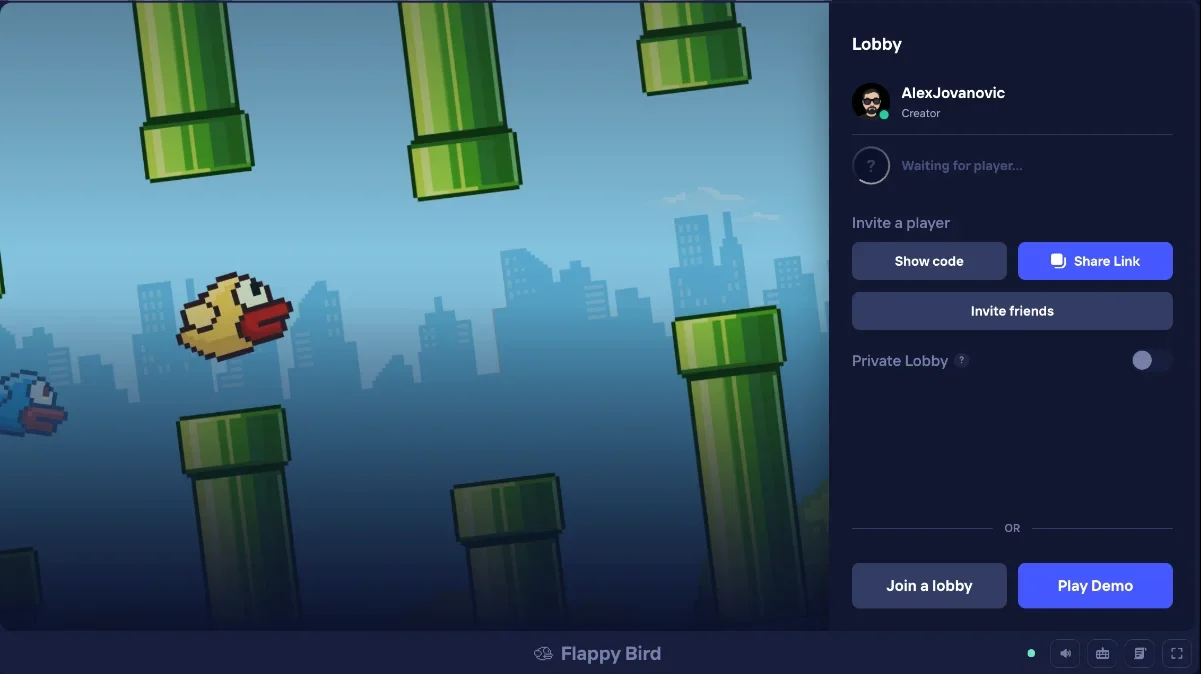
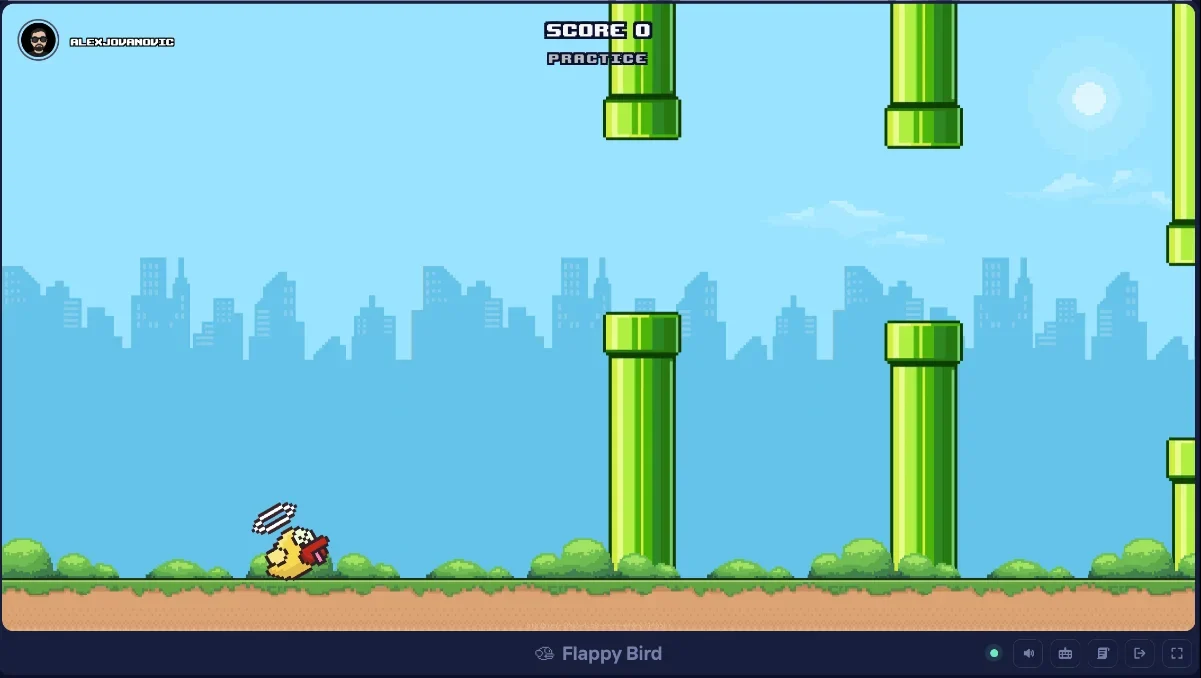
Both players fly through the same pipe sequence. The other player shows as a ghost bird that you cannot hit. A crash sends you back to the start but you keep your points. The demo has no timer and one life. Win: most points when the clock hits zero. Equal scores are a draw. Unlike Type Racer and Color Find, the rules do not mention a refund.
Connect
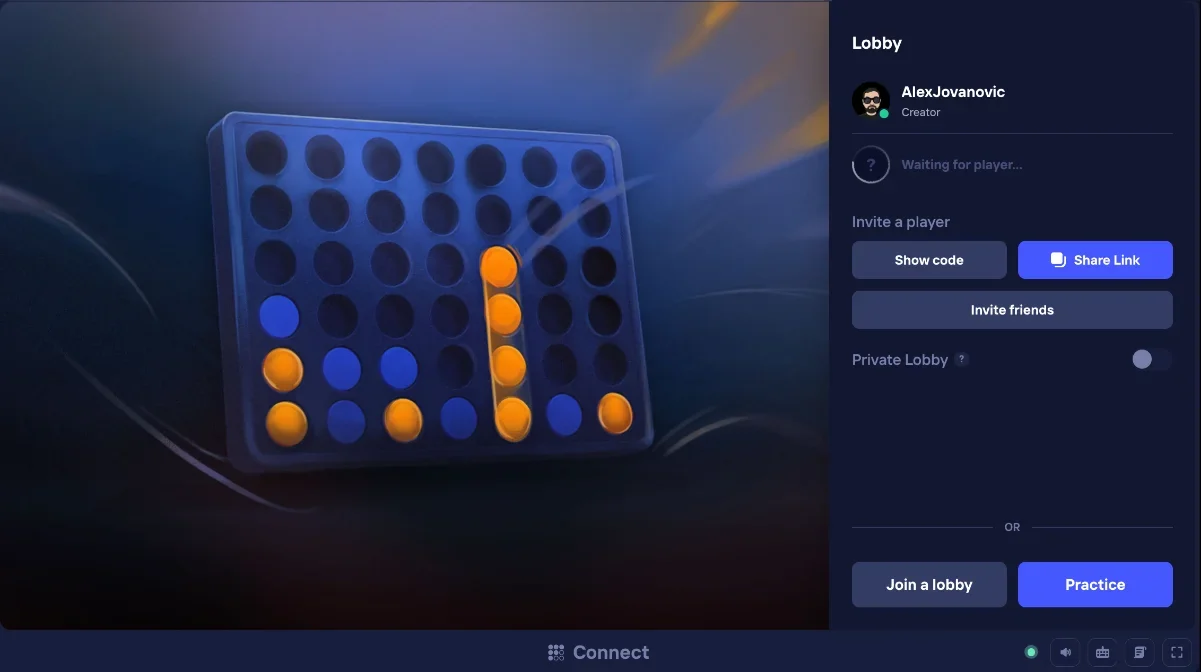
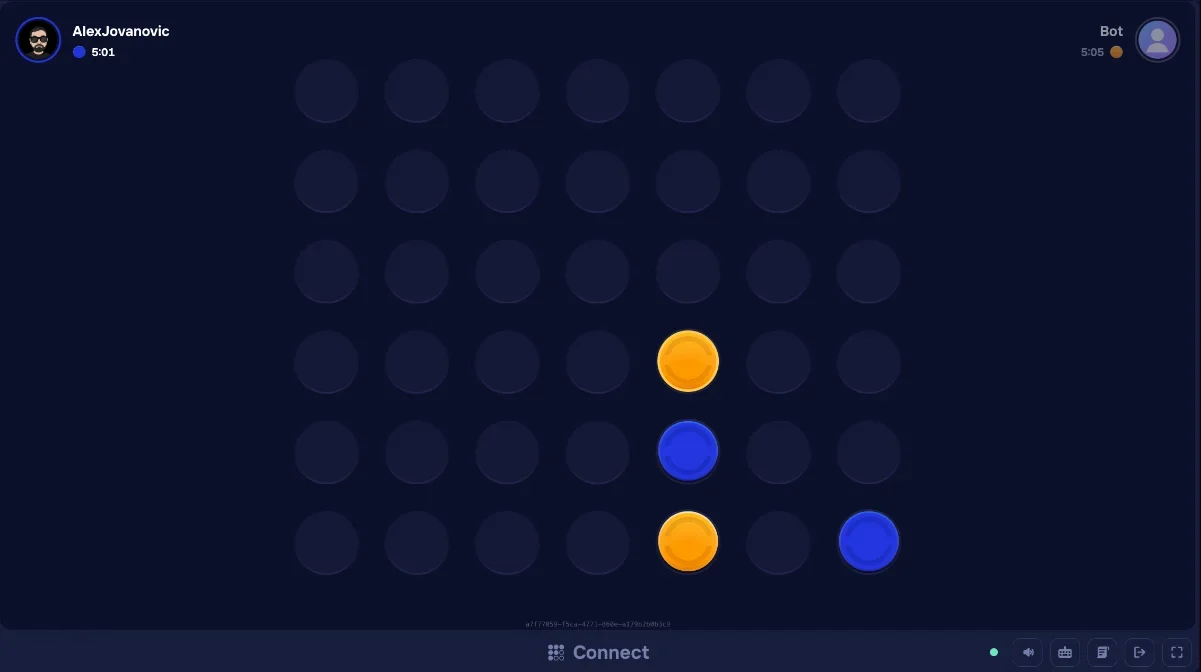
Connect 4 on a 7×6 board, Connect 5 on 9×7 or Connect 6 on 11×8. The lobby picks the size and who starts. Each player has a chess clock: 3+0, 3+2, 5+0 or 5+3. Win: make the line first. If your clock runs out, you lose. A full board with no line is a draw, and both stakes are refunded.
EthnoGuessr
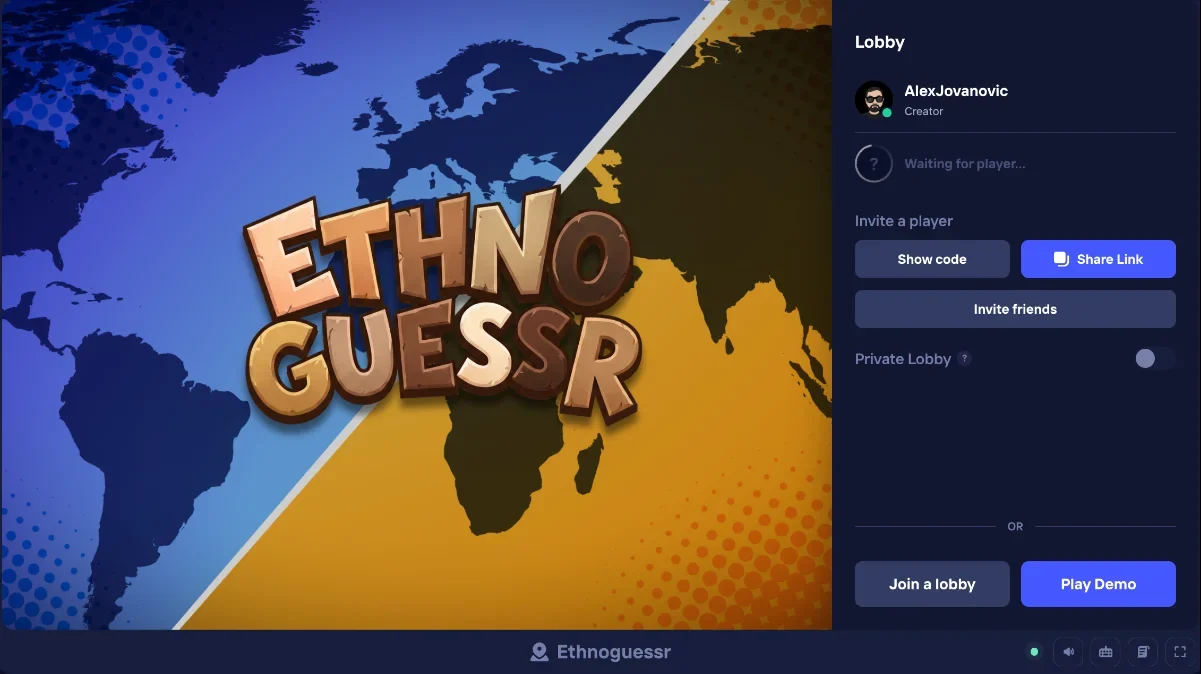
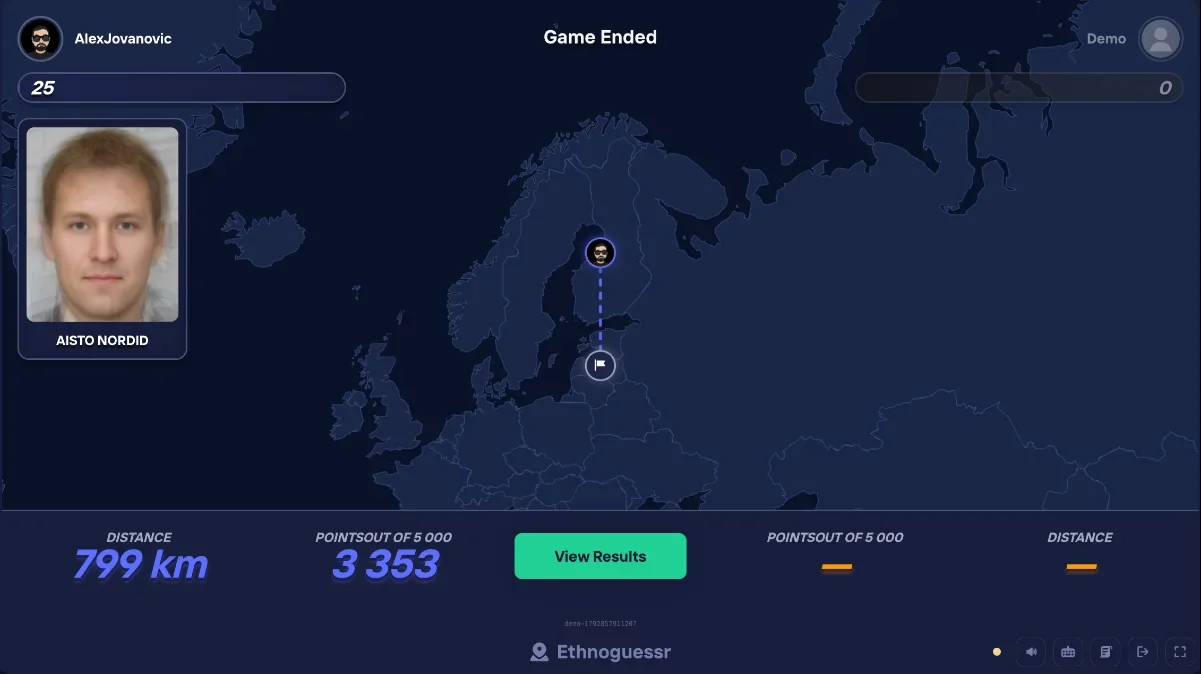
Both players see the same portrait and drop a pin on the world map where they think the person’s ethnicity is from. After the first player confirms, the other has 30 seconds or a random pin is placed. Each round pays up to 5,000 points, falling with distance. The lobby sets the number of rounds and can limit portraits to one region. Win: the highest total. In our demo the answer card was labelled “Aisto Nordid”, a racial type name.
LinkedIn or Interpol


Both players see the same face against a timer and guess if the photo came from a LinkedIn profile or an Interpol notice. Modifiers are Normal, Black and White, Blur and Deep Fried. Depending on the lobby, a right answer scores +1 and a wrong one 0 or -1, and a timeout counts as a miss. Win: most correct answers. “Level scores refund both players.”
The twelfth game
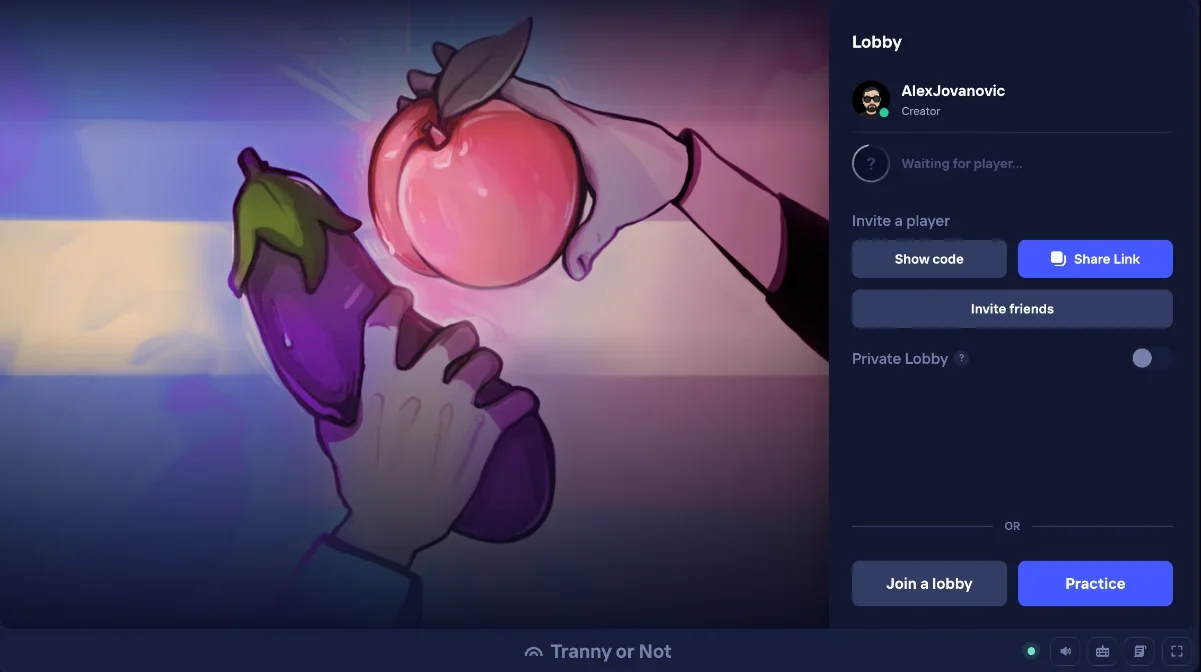
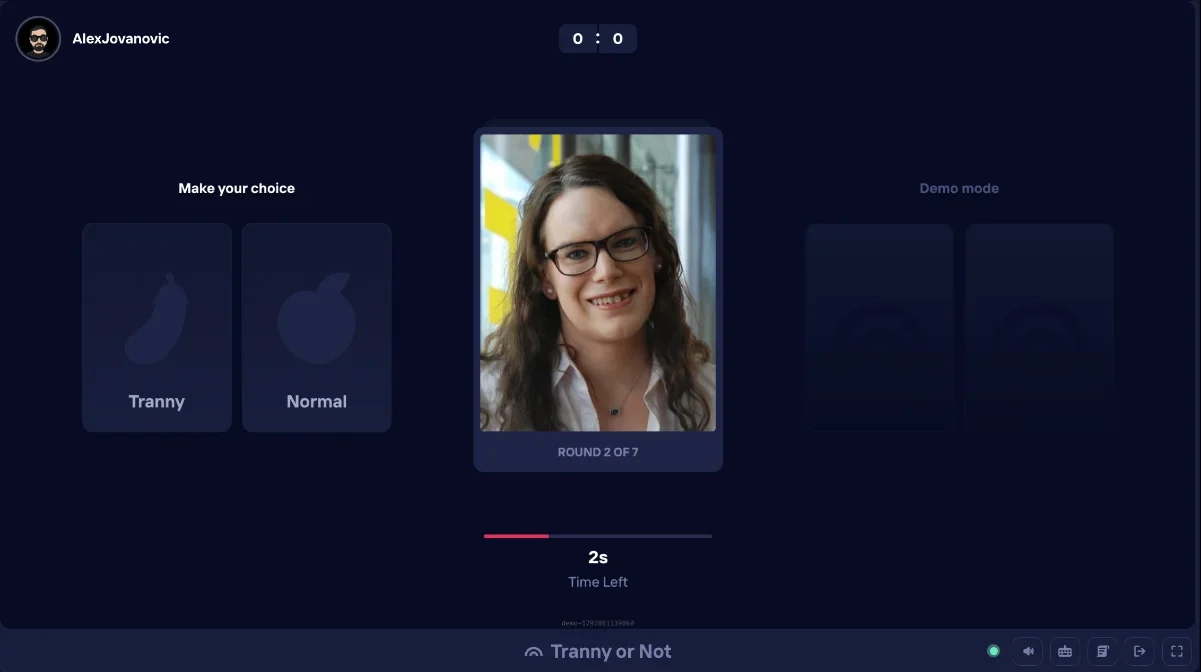
The last tile is a face-guessing game whose title is an anti-trans slur. It runs on the same engine as LinkedIn or Interpol. A photo of a real person appears, and the two answer buttons are the slur and “Normal”. Scoring and refunds work as in LinkedIn or Interpol. We do not repeat the title in our text. It is visible in the screenshots above.
Three games built on faces, ethnicity and a slur
EthnoGuessr asks players to place a face on a map by ethnicity and answers with a racial type label. LinkedIn or Interpol shows real faces and names. It puts people from professional profiles next to people on police notices, and asks players to bet on which is which. The twelfth game puts photos of real people next to a slur. Duel’s own Type Racer passage shows the same tone.
For a player this matters in three ways. You are staking money on content that sorts people by ethnicity, by gender identity or by a guess about crime. Duel does not say where the photos come from or whether the people in them agreed. And Duel’s terms do not mention Arena at all, so there is no rule a player can point to if a match goes wrong.
Where the rules contradict each other
- 1v1 rule and Poker. The Arena rules say every game is a 1v1 match. Poker seats 2 to 9 players and pays up to three places. On 7 October we saw Poker matches with four seats in Ongoing Matches.
- Refunds and the terms. Type Racer, Color Find, Connect and the two face games refund both stakes on a tie. Duel’s terms say “All bets are final. If you lose funds by placing a bet, you will not be entitled to a refund.” They also say the terms take priority over game rules. If a tie refund ever fails, the terms are on the house’s side.
- “100% RTP” on Rock Paper Scissors. The tile uses the label of Duel’s house games. In a PvP game RTP only means the house keeps nothing from the pool. The timeout fee does not change that, because it goes to the other player.
What Duel does not tell you
- Fees: no rake or commission line for Arena or Rock Paper Scissors in the game rules, the terms, the Zero Edge page or the economics changelog. Duel also has not promised zero rake.
- Stake limits: no minimum or maximum for either product.
- Timeout fee: the size of the Rock Paper Scissors penalty is not shown before you play.
- Rakeback and leaderboards: nothing says if PvP stakes count.
- Disputes: no process for a disconnect, a suspected bot or collusion. The only rule is the general Fair Play clause: “You must not use bots, scripts, or automated systems, or collude with other Users, to gain an unfair advantage.”
- Fairness in Arena: only Poker makes a claim about its shuffle, and no Arena game has a verifier.
PvP modes Duel has built but not switched on
The Duel site already carries code and text for more PvP games. On 24 October 2026 their pages sent visitors back to the home page.
| Mode | What the code shows | Status |
|---|---|---|
| Coinflip | Create a flip, pick blue or yellow, or “Call a Bot” as the opponent. Provably fair with a public seed and a server seed hash. | Off |
| Roulette Battles | Play against a group that fills a shared pool. | Off |
| Case Battles | Standard, Shared and Team battles in 1v1, 1v1v1, 1v1v1v1 and 2v2. | Text only, no page |
| Exchange | A PvP sports exchange. Duel’s founder page promises “A 0% edge PvP sportsbook/predictions markets”. | Off |
Two more Arena games, a racing game called Drift and one called Brain, ship in the game files without a tile. We will add them when they appear in the lobby.
Risks and tips before you stake
- Play the demo first. Every Arena game except Poker has a demo or practice mode with no stake. Regulars who play daily will be faster than you.
- Check your connection. In Rock Paper Scissors a disconnect can lose the round and cost a fee. In Poker you are folded and blinded down.
- Use private lobbies with people you know. Codes posted in Duel’s public chat come from strangers. The chat carries slurs and abuse, and we do not recommend it.
- Set your currencies in Rock Paper Scissors. You are paid in the loser’s coin unless you limit the list.
- Mix your picks. Your lifetime rock, paper and scissors counts are public.
- Keep the stake small while it is beta. There is no published dispute process.
Alex’s verdict
Rock Paper Scissors does what Duel promised. The settings are public, the prize was double the stake on every open game, and each round can be checked in a minute. The weak spots are the unstated timeout fee and the public pick history.
Arena is a real beta. 8 Ball, Poker, Tetris, Connect and Type Racer are complete games with clear rules, and several refund a tie. But the house rules do not match the games, the terms ignore Arena, and nobody says what Duel takes or how a dispute is handled. Three of the twelve tiles use real people as betting material. I would play the skill games for small stakes with friends in a private lobby and skip the rest. Our Duel review covers the casino, the licence and the cashier.
I will update this guide when Duel publishes fees or limits, or switches on Coinflip, Roulette Battles or the exchange. Our review method explains how we test games.
Duel had no say in this post. We read the Arena lobby, its rules dialog and each game’s How to play and Rules panels on 7 and 24 October 2026. We read the Rock Paper Scissors page, its public game settings, the open games list and the provably fair verifier on 24 October 2026. The terms, the Zero Edge page and the economics changelog were checked on the same day. Screenshots come from demo, practice and zero-stake rounds in a Duel account on 24 October 2026 and are shown without edits. We did not stake real money in Arena or Rock Paper Scissors.
FAQ
What is Duel Arena?
A section of duel.com where players stake money against each other in 12 games, including 8 Ball, Poker, Tetris, Wordle, Sudoku, Type Racer, Color Find, Flappy Bird and Connect. It is marked BETA.
Does Duel take a fee from PvP games?
Duel publishes no fee. On every open Rock Paper Scissors game we read on 24 October 2026, the winner’s prize was exactly twice the stake. For Arena there is no fee line anywhere, but no zero-fee promise either.
Is Duel Rock Paper Scissors provably fair?
Yes. Each pick is locked in as a SHA-256 hash of the choice and a client key before the reveal. Duel’s Provably Fair Verify page has a Rock Paper Scissors option that checks both players’ picks and prints the result.
What happens if I disconnect in Rock Paper Scissors?
You may lose the round automatically. If you miss the ready check or a pick, you are penalized and a timeout fee goes to your opponent. A 30-second time bank covers short delays.
Can I try Duel Arena without a stake?
Every game except Poker has a Play Demo or Practice button for rounds without a stake.
What happens on a tie in Duel Arena?
It depends on the game. Type Racer, Color Find, Connect and the two face-guessing games refund both stakes. Flappy Bird calls an equal score a draw without a refund line. Poker splits an exact showdown tie. Duel’s terms still say all bets are final.
Is Duel Coinflip available?
No. Coinflip, Roulette Battles, Case Battles and the PvP sports exchange exist in Duel’s code, but they were switched off on 24 October 2026.
Gambling is for adults only and can become addictive. Play only with money you can afford to lose, and read our responsible gambling guide if it stops being fun.

Written by
Alex writes the house files on Crypto Casino Reviews. He plays the desks he scores and checks the offer, the cashier, and the licence before the long read.
Reader desk
Comments
Played at this casino, spotted a mistake or have a question? Write it here. Alex reads every comment before it goes live.